NDIS Life Skills Training in Victoria
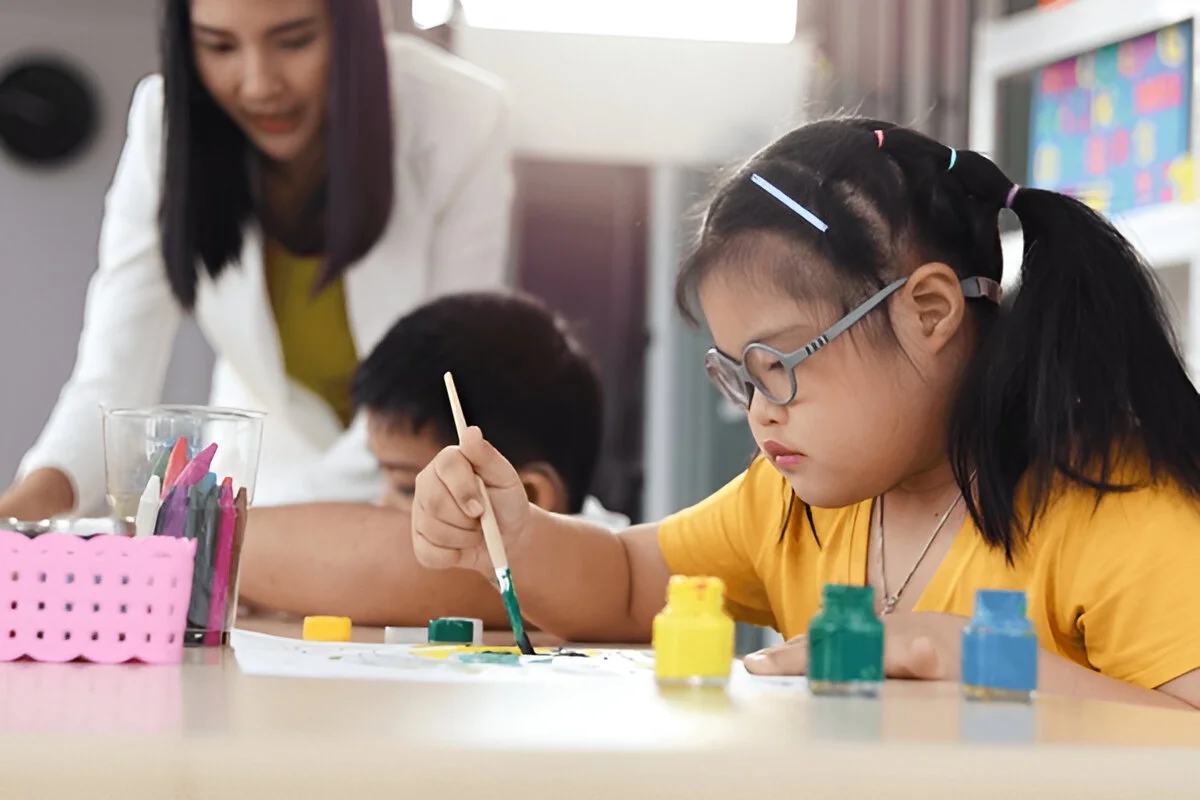
We deliver NDIS life skills training and daily living and life skills support across Victoria - helping participants build confidence, independence, and practical skills for everyday life.
NDIS Life Skills Training in Victoria
Available across Victoria, including Melbourne and surrounding suburbs.
Building Confidence for Everyday Life
Improved Daily Living (NDIS Capacity Building) - What It Means
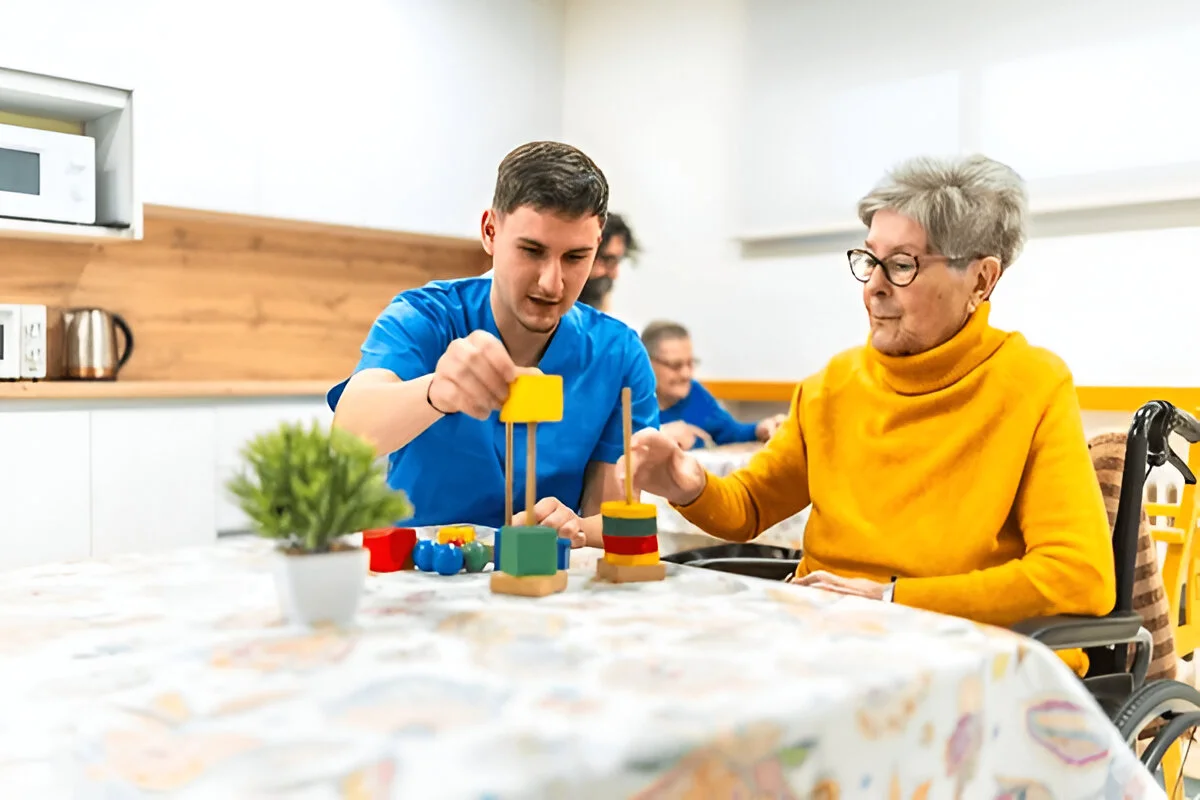
At Good Care, we empower individuals through the NDIS development of daily living and life skills, giving them the confidence to handle everyday tasks. Through practical learning and individualised support, we help participants build core capabilities needed for independence. This includes NDIS improved daily living skills support tailored to your goals.
Whether it’s cooking meals, managing personal care, handling money, or using public transport, we tailor our approach to each participant’s goals. Our aim is to deliver improved daily living outcomes by building skills that support personal growth and active community involvement. Through our NDIS training and life skills programs, participants learn practical strategies for everyday living - from self-care to social participation.
Promoting Self-Reliance and Everyday Confidence
Skills Development and Training (NDIS)
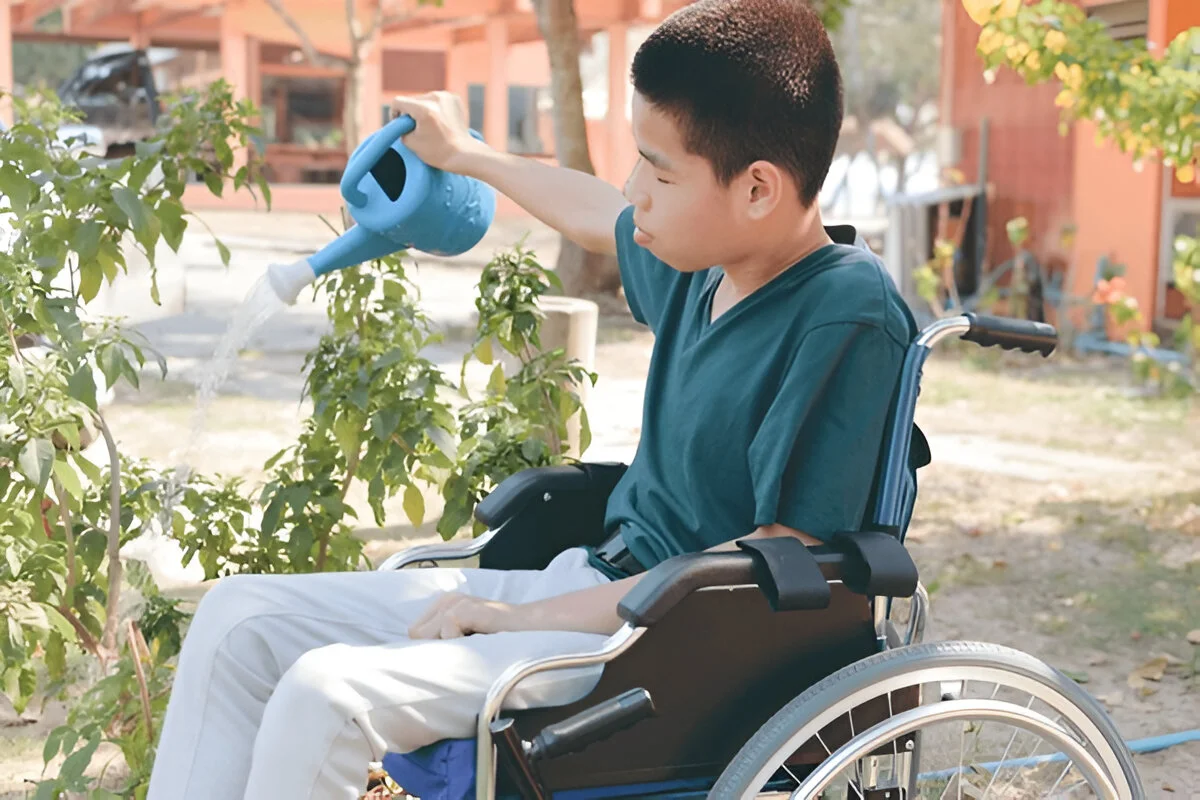
Our NDIS daily living support encourages self-reliance, practical problem-solving, and long-term independence. By focusing on daily living NDIS participants gain the tools they need to reduce dependency, improve confidence, and enjoy greater autonomy. This is often described as NDIS skills development and training in Capacity Building.
Skill-building in this area nurtures self-esteem, responsibility, and a sense of control. With the right NDIS life skills development, participants are more capable of taking on real-world challenges, participating in their communities,achieving life goal and living more fulfilling lives.
Our Process
Our Process (Assessment → Plan → Training → Progress Reviews)
Tailored Assessment
We begin by understanding your goals and support needs. This personalised assessment ensures we align our services with your NDIS daily living and life skills goals, focusing on empowerment, progress, and confidence-building.
Your Individual Plan
Using your assessment, we design a tailored plan that enhances the improved daily living skills NDIS participants need; focusing on independence, confidence, and everyday capability.
Ongoing Support
We offer reliable, continuous support throughout your journey. Our team remains committed as you build practical life skills and move toward a more independent and fulfilling lifestyle.

Building Independence
We support you in taking control of your daily life by building your NDIS life skills and daily living. Our aim is to strengthen your independence, personal routine, and overall confidence.
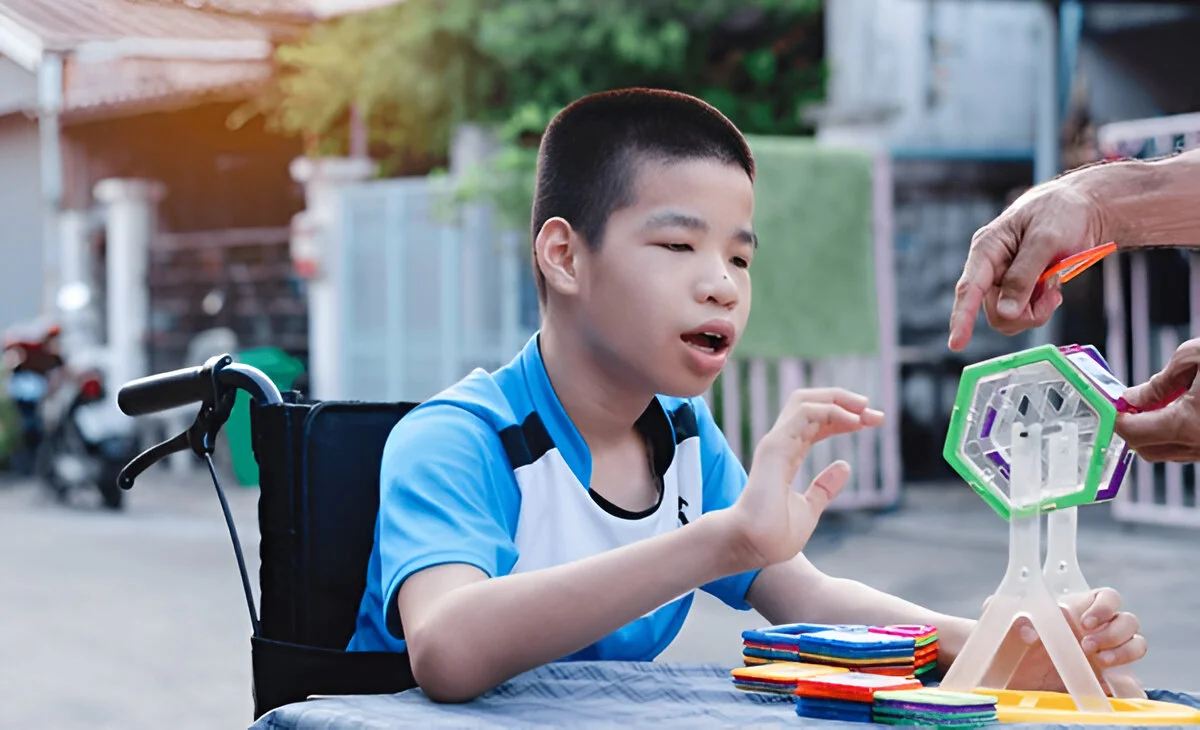
Who Can Benefit
Improved Daily Living Examples (Life Skills We Support)
Support for All Ages and Abilities
Our NDIS daily living and life skills are designed for individuals seeking to enhance life skills in real, meaningful ways. Whether you’re learning to cook or gaining budgeting skills, our team ensures each step is aligned with your goals.
Here are some improved daily living examples we focus on:
- Cooking and meal planning
- Personal hygiene and grooming
- Time management and scheduling
- Budgeting and using money
- Navigating public transport
- Communicating confidently
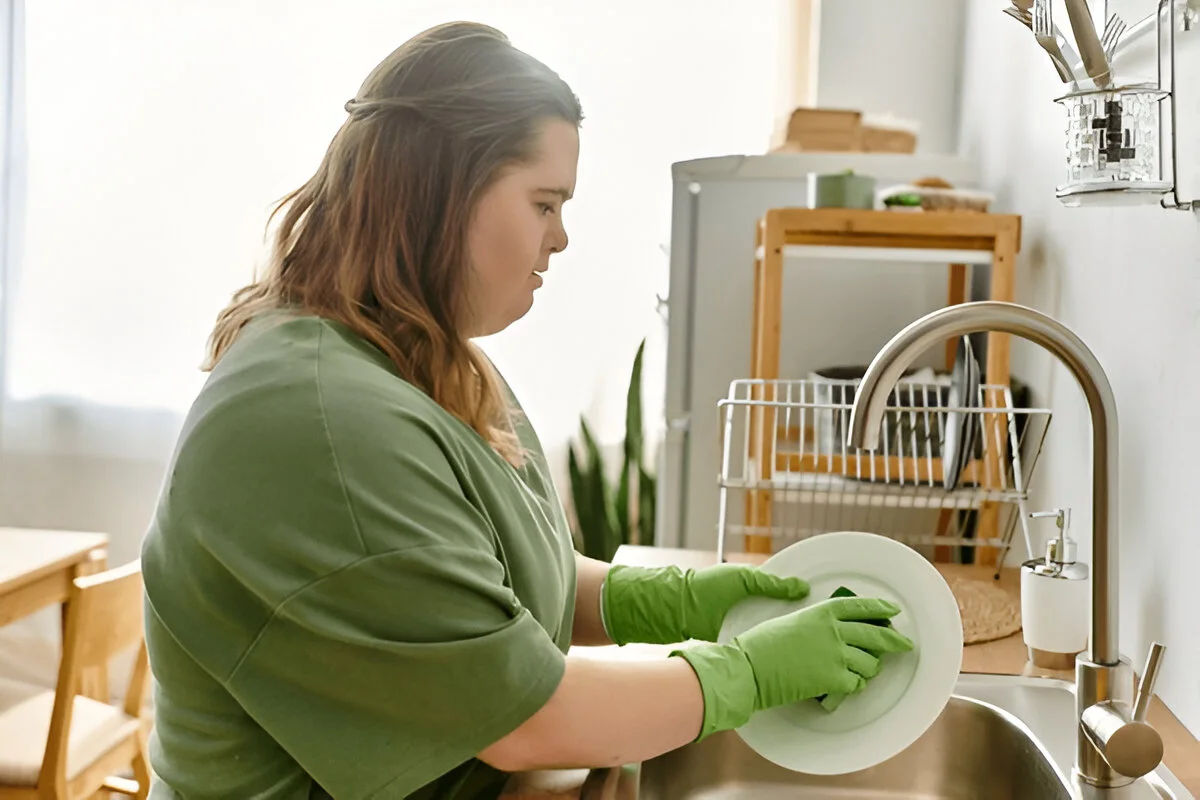
- Household chores and organisation
- Social skills and community participation
We support both younger and older participants with flexible programs that grow with their needs.
A Hands-On, Person-Centred Approach
Funding & Using Your Plan for Improved Daily Living
What can Improved Daily Living funding be used for in the NDIS? It’s typically used for practical, goal-based training that builds independence over time—such as routines, cooking, budgeting, travel training, communication, and community participation—aligned to your NDIS goals and funding type.
- 1:1 skills coaching (in-home and in the community)
- Step-by-step routines and capacity building (with fading supports over time)
- Travel training and community access practice (real routes, real environments)
- Communication and self-advocacy practice (appointments, phone calls, asking for help)
- Household systems and executive-function supports (planning, prompts, checklists)
- Progress tracking and goal reviews (measuring outcomes against NDIS goals)
The exact activities depend on your stated NDIS goals and what’s considered reasonable and necessary in your plan.
Partnering With You for Real Progress
We believe that learning is most effective when it’s tailored and hands-on. That’s why our support is based on real-life situations and personalised guidance. Whether it's assistance with NDIS daily living support or specialised NDIS life skills training, our team is committed to ensures real progress toward greater independence, confidence, and long-term success.
With patience, compassion, and practical learning, we help you build the tools needed for a more independent and confident life.
Ready to build confidence and independence through our NDIS daily living and life skills programs? Learn more about the full range of NDIS support services we offer across Victoria and start your journey today.
FAQs
FAQs About Improved
Daily Living & Life Skills
Training
Quick answers for participants, families and support coordinators
across Victoria.
Not sure what your plan includes or which supports fit your goals?
We’ll guide you through the next steps.
What is Improved Daily Living in the NDIS?
Improved Daily Living is part of the NDIS Capacity Building supports. It focuses on building practical skills,
independence, and confidence in everyday life. Depending on a participant’s goals, this may include routines and
self-care skills, communication, budgeting strategies, travel confidence, and community participation. The aim is
long-term capacity—so participants can do more for themselves over time with the right support.
What is Improved Daily Living Skills (Capacity Building) funding used for?
This funding is generally used for supports that build functional independence over time—through structured training
and coaching aligned to your plan goals. It may include skills such as cooking, meal planning, personal organisation,
budgeting, safe travel training, communication, and community participation. What’s appropriate depends on your NDIS
goals and what’s reasonable and necessary for you.
What are examples of Improved Daily Living supports?
Examples include cooking simple meals, planning routines, practising personal care steps, home organisation, budgeting
and money skills, grocery shopping, and travel training (bus/train/tram). It can also include communication and social
skill-building—such as making appointments, asking for help, and joining community activities. Supports are tailored
to what makes the biggest day-to-day difference.
What is “Development of Daily Living and Life Skills” in NDIS?
This support focuses on building everyday skills and independence through structured learning and practice—at home
and in the community. It can include routines, cooking, budgeting, transport skills, communication, and safe community
participation. The best outcomes happen when training is goal-led, consistent, and measured against real-life progress.
Is life skills training covered by NDIS Capacity Building?
Often yes—especially when the purpose is building independence over time. Coverage depends on your plan goals and
whether the support is reasonable and necessary for your circumstances. If your plan includes Improved Daily Living,
life skills training can be a strong fit because it targets practical outcomes like routines, daily tasks, and community access.
How do I know if my plan includes Improved Daily Living funding?
Check your NDIS plan budgets for Capacity Building supports—Improved Daily Living may be listed in your plan documents,
or your support coordinator/plan manager can confirm it. If you’re self-managed, you may see supports aligned to Capacity Building goals.
If you want, we can help you interpret plan wording and make sure supports align before services begin.
Can life skills training be delivered in-home and in the community?
Yes. Many participants learn best in real environments—your kitchen for cooking, local shops for budgeting practice,
or the transport routes you actually use. Training can be delivered in-home, in the community, or a mix of both depending
on goals and comfort level, with skills built safely over time.
How do we set goals and measure progress?
We set clear, practical goals and break them into steps. Progress is tracked using real outcomes—like preparing a meal
with less prompting, managing a weekly routine, or using public transport with increased confidence. Regular progress reviews
keep supports aligned to your NDIS goals and help adjust strategies as skills improve.
Get In Touch With Good Care
You have Question – Reach Out Today
Feel free to contact us through the form below, or reach out by phone or email.
- info@goodcare.au
- 1300 390 966
- 167-169 Queen Street, Melbourne Vic 3000